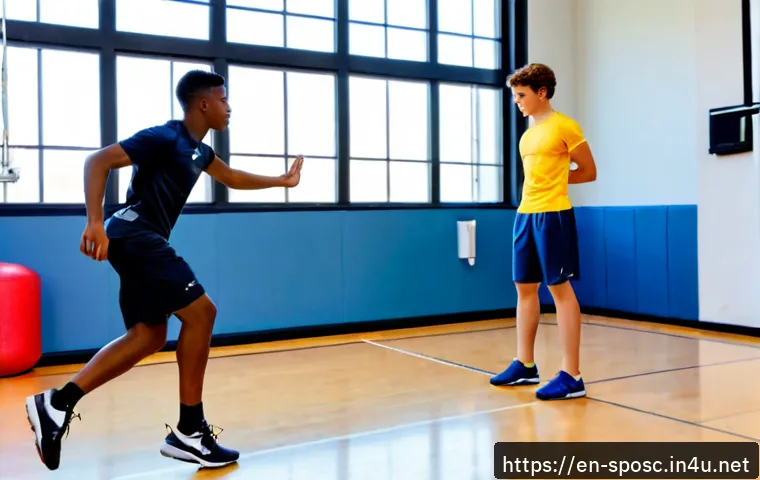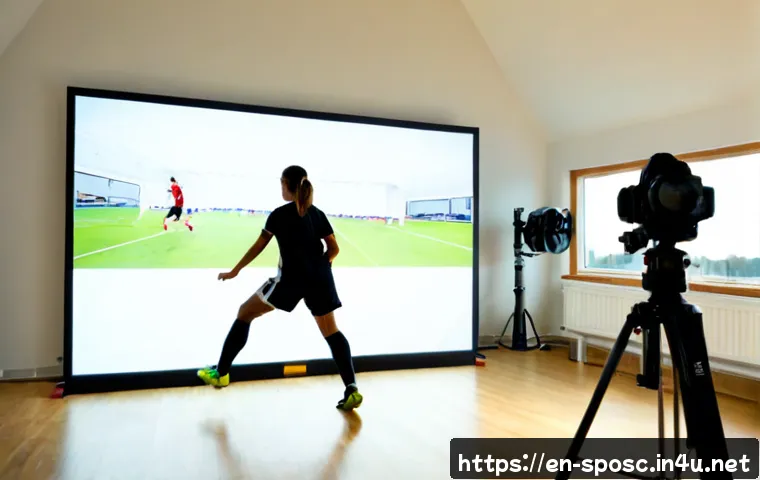
Sports psychology can help athletes build focus, confidence, emotional control, and consistent routines. Learn which mental skills fit common performance challenges, when professional support may be worthwhile, and how to compare coaching options.

Sports psychology can help athletes practice focus, confidence, emotional control, and recovery after mistakes as part of regular training. Self-guided tools may be enough for a clear, manageable performance goal, while professional support can add value when an athlete needs structure, feedback, or help with a more persistent concern. The right choice depends on the athlete’s sport, age, competition level, goals, and mental-health needs. Mental performance coaching, team workshops, and licensed sport psychology services can have different roles and scopes. Before booking support, compare qualifications, delivery format, package terms, and referral practices. No mental technique can guarantee a result, team selection, injury prevention, or a specific competitive outcome.
At a Glance
- Mental training works best when practiced consistently alongside physical and technical training.
- Goal setting, imagery, self-talk, routines, relaxation, and attention control can support performance under pressure.
- Serious anxiety, depression, eating concerns, trauma, or safety risks require appropriate licensed clinical care, not performance coaching alone.
| Support option | Best fit | Typical format | What to compare |
|---|---|---|---|
| Self-guided mental training | A specific skill such as a pre-performance routine or reset cue | Personal practice during training | Whether the method is simple enough to repeat consistently |
| Mental performance coaching | Performance goals, accountability, routines, and competition preparation | Individual sessions, remote support, or team workshops | Qualifications, sport experience, scope, package structure, and cancellation terms |
| Licensed sport psychology or mental health care | Performance concerns alongside significant emotional or mental-health needs | Individual care, sometimes coordinated with other qualified professionals | Licensure, scope of care, referrals, availability, and coverage where applicable |
What Mental Training Can Change in Athletic Performance
The short answer: skills that support focus, confidence, and recovery after mistakes
Sports psychology examines how thoughts, emotions, motivation, attention, and behavior affect sport and exercise. In practical terms, mental skills training can help an athlete notice distractions, return attention to the next task, and respond more deliberately after an error. Pressure may affect decision-making, confidence, muscle tension, and recovery after mistakes. A useful plan therefore focuses on controllable actions rather than trying to eliminate every nervous feeling.
What mental training cannot promise
Mental training is not a guarantee. It cannot promise better results, a roster spot, injury prevention, or a particular competition outcome. It also should not be used to dismiss a physical issue, workload concern, or serious emotional difficulty. Good support makes room for uncertainty while helping the athlete prepare a repeatable response.
Why consistent practice matters more than motivational hype
A routine is more useful when it is practiced during ordinary training, not only before a major event. For example, an athlete might use one cue word before a drill, one brief breathing pattern between repetitions, and one reset action after a mistake. Repetition helps make the routine familiar. A dramatic motivational message may feel useful in the moment, but it is not a substitute for a practiced process.
Choose the Right Type of Support: Self-Guided, Coaching, or Licensed Care
Comparison table: goals, provider role, typical format, and value considerations
Self-guided resources can suit athletes who have a narrow, understandable goal and can practice independently. A mental performance coach may be a practical option when the athlete wants feedback, accountability, goal structure, or competition routines. Licensed sport psychology support may be more appropriate when performance concerns overlap with significant anxiety, depression, eating concerns, trauma, or safety risks.
When a mental performance coach may be a practical fit
Coaching can be useful for athletes who want to build pre-performance routines, improve attention control, work through confidence after mistakes, or communicate more clearly within a team setting. Ask how the coach defines their role and what they do when an issue falls outside that role. A clear answer about scope of practice and referrals is a positive selection criterion.
When to seek a licensed mental health professional
A licensed professional is important when an athlete is dealing with serious emotional distress, depression, anxiety that feels overwhelming, eating concerns, trauma, or safety risks. Performance coaching alone is not the appropriate response to those concerns. Support may also involve collaboration with coaches or other qualified professionals when suitable and with appropriate boundaries.
Build a Practical Mental Skills Routine
Set process goals instead of outcome-only goals
Outcome goals can matter, but they are not fully controllable. Pair them with process goals: follow the warm-up plan, use the reset cue after an error, or direct attention to the next play. This gives the athlete something useful to do whether the event begins well or badly.
Use imagery, cue words, breathing, and reset routines
Imagery can involve mentally rehearsing a skill, decision, or response to pressure. Cue words keep attention short and specific, such as a technical reminder or next-action prompt. Relaxation and breathing strategies can help an athlete slow down enough to regain control. A reset routine might be as simple as noticing the mistake, taking a breath, using a cue word, and returning to the next task.
Track patterns without overanalyzing every performance
Use a brief review after training or competition: What helped attention? When did tension rise? What reset action worked? Keep the notes practical. The purpose is to spot patterns and adjust practice, not to turn every performance into a judgment of character or potential.
Avoid Common Mental Performance Mistakes
Waiting until a major competition to try a new technique
Changing a routine on competition day can create more uncertainty. Test mental skills in training and lower-pressure situations first. Keep the competition version simple and familiar.
Confusing confidence with unrealistic expectations
Confidence does not mean assuming every attempt will succeed. More durable confidence comes from preparation, a clear task focus, and trust in a response plan when things go wrong. Positive self-talk should not become denial of a real issue that needs attention.
Ignoring sleep, workload, injury concerns, and communication problems

Mental performance does not exist separately from the athlete’s wider situation. Fatigue, injury uncertainty, excessive workload, and unclear coach-athlete feedback can affect focus and emotion. Address the relevant concern directly rather than expecting one mindset exercise to solve everything.
Match the Strategy to the Situation
Competition nerves and pre-event pressure
Nerves can be treated as a signal to use a prepared routine rather than proof that the athlete is unready. Focus on controllable steps: warm-up actions, breathing, cue words, and the first task. Avoid adding several unfamiliar techniques at once.
Confidence after a poor performance or mistake
After an error, use a short reset and return to the next decision. Review the performance later with specific questions about actions and context. Broad conclusions such as “I always fail” are less useful than identifying one adjustment for the next practice.
Injury rehabilitation, return-to-play uncertainty, and identity concerns
Injury can affect confidence and an athlete’s sense of identity. Keep communication open with the relevant qualified professionals and avoid treating mental preparation as a replacement for appropriate rehabilitation or return-to-play guidance. If emotional concerns become serious, seek licensed care.
Team communication and coach-athlete feedback
Teams can benefit from clear expectations about feedback, roles, and how to respond after mistakes. A team workshop or sports coaching program may be worth comparing when the main issue involves shared communication rather than one athlete’s individual routine. Ask whether the provider can work collaboratively with coaches while respecting appropriate professional boundaries.
Selection Criteria and Comparison Summary
Before choosing sports psychology services, mental performance coaching, or a team workshop, check these points:
- Goal: Are you seeking a skill routine, ongoing accountability, team communication support, or licensed clinical care?
- Qualifications and scope: What training does the provider have, and when do they refer athletes elsewhere?
- Format: Is individual, group, remote, or in-person support the better match for the athlete and sport?
- Total package cost: Ask how sessions, packages, team services, and cancellation policies are structured.
- Fit: Does the provider understand the athlete’s age group, sport environment, and competition context?
Compare qualifications, format, and total package cost before booking. Official provider information and detailed service conditions should be checked directly on the relevant service page.
Closing Thoughts
Mental training is most useful when it becomes a steady part of athletic preparation. Start with one skill that matches the current challenge, then practice it often enough to make it familiar. Professional support can be valuable when structure, feedback, group delivery, or clinical care is needed. The best choice is the one that fits the athlete’s goals and stays within the provider’s appropriate scope.
Useful Things to Know
1. A short, practiced reset routine is often easier to use under pressure than a long script.
2. Process goals give athletes an action to take even when outcomes are uncertain.
3. Individual coaching and team workshops serve different needs, so compare the format before committing.
4. Provider availability, certification requirements, insurance coverage, and costs vary by location and provider.
Important Considerations
This information is educational and does not diagnose a mental-health condition or replace licensed clinical care. Mental skills techniques do not guarantee performance outcomes. Athletes and families should verify a provider’s qualifications, scope of practice, package terms, availability, and referral process before selecting support.
Frequently Asked Questions
Q1. Is sports psychology only for elite athletes?
A1. No. Mental skills such as goal setting, imagery, self-talk, routines, relaxation, and attention control can be relevant to athletes at different levels. The appropriate type of support depends on the athlete’s goals, age, sport, competition level, and mental-health needs.
Q2. How much does a sport psychology session or mental performance coach typically cost?
A2. Costs vary by location, provider, format, package structure, and availability. Ask whether the service is offered as individual sessions, a package, remote support, or a team workshop, and confirm the total cost and cancellation policy before booking.
Q3. How do I choose between a mental performance coach and a licensed sport psychologist?
A3. A mental performance coach may fit skill-building, routines, accountability, and competition preparation. A licensed sport psychology or mental health professional may be the better choice when significant anxiety, depression, eating concerns, trauma, or safety risks are involved. Compare qualifications, scope of practice, and referral responsibilities before deciding.