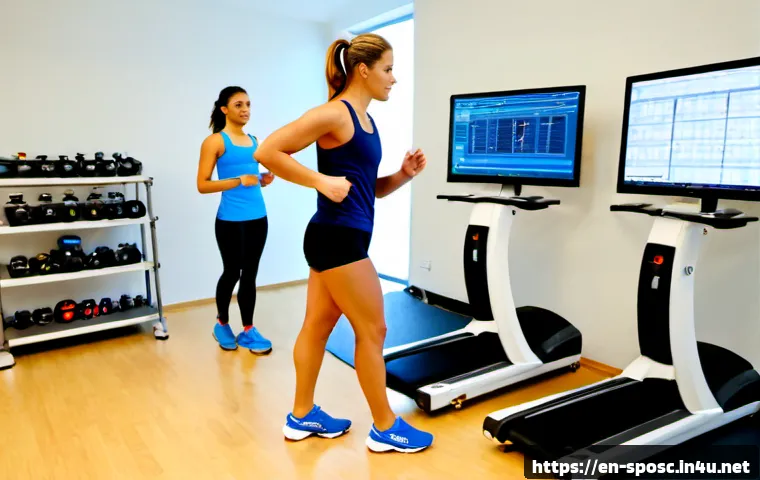
Sports science can lead to careers in performance analysis, exercise physiology, strength coaching, rehabilitation support, research, and sports technology.
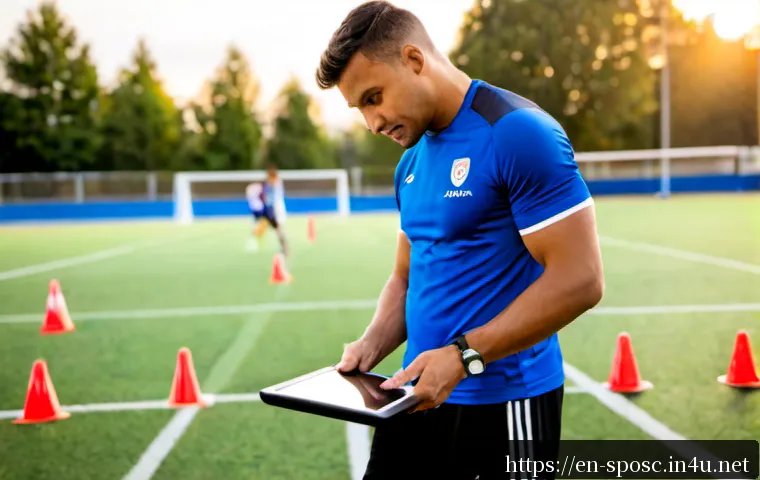
Compare daily responsibilities, training requirements, work settings, and career-fit criteria before investing in a degree or certification.
Sports science careers can lead to athlete-facing coaching, health and exercise support, performance analysis, research, or sports technology work. The right route depends less on the broad job title and more on the daily tasks, required qualifications, and local scope-of-practice rules.
If you enjoy direct contact with athletes, performance coaching or exercise-focused roles may fit best. If you prefer software, statistics, or video, analytics and sports technology roles can offer a clearer match.
Before paying for a degree program, postgraduate course, or professional certification, compare real job descriptions from employers you may want to join.
Internships, placements, and a focused portfolio can be especially valuable for competitive performance and analytics positions. Clinical or regulated work needs extra caution because a general sports science qualification may not be enough.
At a Glance
- Performance route: coaching, strength and conditioning, and athlete support usually involve direct work with people.
- Data and technology route: performance analysis, video analysis, wearable data, and product support emphasize software, reporting, and evidence.
- Health and clinical-adjacent route: requirements may extend beyond sports science into local licensing, supervised practice, or registration.
| Career Route | Main Focus | Typical Employers | Training Depth | Portfolio Importance |
|---|---|---|---|---|
| Performance coaching | Training delivery and athlete development | Teams, schools, gyms, fitness organizations | Degree or relevant coaching certification may be useful | Useful for showing session design and practical experience |
| Exercise and health support | Physical activity, testing, and exercise programs | Clinics, universities, fitness organizations | May require additional regulated qualifications | Helpful, but local scope rules come first |
| Performance analysis | Video, match data, reporting, and decision support | Teams, schools, sports technology companies | Sports science, data, or targeted analytics training | Very important for competitive roles |
| Research and biomechanics | Testing, laboratory work, and research methods | Universities, research institutions, technology companies | Often benefits from deeper academic training | Research projects and technical work can help |
| Sports technology | Wearables, equipment, data platforms, and user support | Sports technology companies and performance organizations | Technical knowledge plus sport-context experience | Projects, software work, and communication samples help |
Where a Sports Science Background Can Take You
Sports science combines areas such as physiology, biomechanics, psychology, nutrition, and data analysis to support physical activity and athletic performance. That foundation can be applied in very different workplaces, from a school gym to a university laboratory or a sports technology company.
The Four Broad Routes: Performance, Health and Exercise, Research, and Technology
The performance route is centered on training, testing, and athlete development. Health and exercise roles may focus on physical activity delivery or exercise support, but some positions have regulated boundaries. Research roles focus on questions, methods, data collection, and evidence. Technology roles connect sports knowledge with equipment, wearable data, video platforms, or customer and product support.
Why Job Titles Can Mean Different Things Across Employers
“Sports scientist” is not a universal job description. One employer may use it for a staff member who conducts testing and reports data. Another may expect coaching, video analysis, operational support, or laboratory responsibilities. Read the actual duties, required qualifications, reporting line, and scope of practice before choosing an education pathway.
Three-Line Career-Path Summary for Quick Direction
Choose performance work if you want regular athlete contact and practical training delivery. Choose analysis or technology if you enjoy statistics, video, software, and clear reporting. Choose research or clinical-adjacent work only after checking the academic, supervised-practice, and licensing requirements in your location.
Compare Career Paths by Responsibilities, Training, and Work Setting
Exercise Physiologist and Clinical Exercise Roles
These roles can involve exercise testing, program delivery, or health-related support in settings such as clinics, universities, or fitness organizations. However, the title, permitted duties, and entry requirements vary by country and employer. Do not assume a sports science degree alone authorizes clinical practice. Check local registration rules, licensing requirements, and the employer’s stated scope before applying or enrolling in a specialist program.
Strength and Conditioning Coach and Performance Coach
Coaching-focused roles commonly involve planning and delivering training, observing athletes, and communicating with other staff. They can suit people who enjoy teaching, movement, and relationship-building. A relevant degree can provide a broad foundation, while a coaching certification may be useful for a specific employer or setting. Practical placements matter because employers may want evidence that you can work safely, communicate clearly, and operate within your competence.
Performance Analyst, Sports Data Analyst, and Video Analyst
Analysts may review video, organize performance data, create reports, and turn observations into useful information for coaches or athletes. This route often rewards a demonstrable portfolio more than a broad claim of interest. Examples can include a clearly labeled analysis project, a sample report, a video-coding workflow, or a research-based dashboard. Sports analytics software can be useful to learn, but the important question is whether you can explain your method and communicate findings without overstating certainty.
Biomechanics, Research, and Laboratory-Based Roles
Biomechanics and research work may involve movement analysis, testing protocols, data collection, and research reporting. People who enjoy careful procedures, structured questions, and technical detail may prefer this path. A degree program with research opportunities can be valuable, especially when it includes laboratory exposure or supervised projects. For advanced research roles, employers may expect education beyond an introductory qualification, so review target job listings before committing to postgraduate study.
Sports Technology, Wearable Data, and Product-Support Roles
Sports technology companies may need people who understand users, equipment, data collection, implementation, and practical performance environments. These positions do not always require the same path as team-based sport roles. A sports science background can be strengthened by technical projects, data skills, communication ability, and familiarity with sports technology tools. Look closely at whether a role is product support, customer education, data operations, research, or product development.
Comparison: Contact, Data Skills, Qualifications, and Entry Barriers
Direct athlete contact is usually highest in coaching and some exercise roles. Data workload is often highest in analytics, biomechanics, research, and technology. Regulated-practice risk is highest where a job touches clinical care, rehabilitation, nutrition, or healthcare-related decisions. The more regulated the work, the more important local verification becomes.
Education, Certifications, and the Cost of Becoming Employable
When a Sports Science Degree Is Useful—and When a Targeted Qualification May Be Enough
A sports science degree can build broad knowledge across performance, exercise, research, and data-related topics. It may be particularly useful when employers list it as a preferred or required educational background. A targeted qualification or professional certification may be more practical when you already know the role you want and can confirm that employers recognize it. Neither option should be chosen based on the course title alone.
Placement Experience, Supervised Hours, and Portfolio Evidence
Placements and internships can show how work is actually delivered in teams, gyms, schools, clinics, laboratories, or technology providers. For performance and analytics positions, portfolio evidence can make your skills easier to evaluate. Keep records of your contribution, use anonymized materials where necessary, and describe your level of responsibility accurately.
Questions to Ask Before Paying for a Certification or Postgraduate Course
Ask whether target employers mention the qualification. Check if the certification provider explains assessment, prerequisites, supervised elements, and recognition clearly. Compare the course content with the job tasks you want to perform. If your goal is regulated work, confirm whether the course supports eligibility in your specific location rather than relying on general promotional language.
Regulated Roles: Checking Local Licensing and Scope-of-Practice Rules
Roles connected to rehabilitation, nutrition, clinical exercise, or healthcare may require degrees, licenses, registration, or supervised practice beyond general sports science education. Professional titles can also be protected in some places. Use official guidance from the relevant local professional body or regulator before presenting yourself as qualified for clinical services.
Build Practical Experience Without Misrepresenting Your Skills
Creating a Portfolio from Analysis Projects, Testing Reports, and Research Work
A focused portfolio can include a sample analysis workflow, a research summary, a testing-report template, or a project that explains your process from question to conclusion. State whether the work was academic, supervised, simulated, or completed during a placement. Clarity is more credible than inflated claims.

Finding Placements with Teams, Gyms, Schools, Clinics, or Technology Providers
Start with settings that match your preferred work style. Teams may offer performance exposure; gyms and schools can develop coaching and program-delivery skills; clinics may require stricter eligibility checks; technology providers can offer experience with equipment and customer-facing implementation. Ask about supervision, permitted tasks, confidentiality, and whether you can document non-sensitive learning outcomes.
Common Mistakes in Early Applications and Professional Profiles
Avoid using broad titles without explaining what you actually did. Do not describe student work as independent clinical practice. Do not list software without showing how you used it. Tailor each application to the employer’s stated needs, whether that is coaching, data reporting, research support, or technology implementation.
Protecting Athlete Data, Consent, and Confidentiality
Performance data, video, health-related information, and testing results can be sensitive. Follow the organization’s procedures, obtain appropriate permission where required, and avoid using identifiable athlete material in a public portfolio. If in doubt, use anonymized examples or ask a supervisor what can be shared.
Match the Career Route to Your Strengths and Preferred Work Style
Best Fits for People Who Enjoy Coaching and Direct Athlete Contact
Performance coaching, strength and conditioning, and some exercise-delivery roles may suit you if you enjoy explaining movement, adapting sessions, and working face-to-face. Look for courses and placements that provide practical learning, feedback, and appropriate supervision.
Best Fits for People Who Prefer Statistics, Video, and Software
Performance analysis, sports data analysis, video analysis, biomechanics, and sports technology can suit people who prefer structured information and technical problem-solving. Build skills through small, well-explained projects. A portfolio that shows clean communication can be as important as the data itself.
Best Fits for Those Interested in Health, Rehabilitation Support, or Research
Health and rehabilitation-adjacent interests require careful role selection because titles and legal boundaries differ by location. Research may be a better fit for those who enjoy evidence, methods, and deeper technical questions. In either case, verify whether an accredited degree program, supervised pathway, or local registration is required.
Working in Elite Sport Versus Community Sport, Education, and Commercial Fitness
Elite sport is only one possible destination. Community sport, schools, universities, fitness organizations, clinics, research institutions, and commercial providers also employ people with relevant skills. A wider search can reveal roles that better match your preferred schedule, responsibilities, and development opportunities.
Choosing the Right Sports Science Career Route: A Decision Checklist
Compare Time Commitment, Tuition, Certification Costs, and Entry-Level Access
Compare education investment against the specific role you want, not against the broad idea of “working in sport.” Consider course length, assessment style, placement access, certification requirements, and whether entry-level employers ask for portfolio work. Exact costs and hiring conditions vary by location and provider, so confirm them directly.
Evaluate Employer Requirements Before Selecting a Course
Review several current job descriptions from the type of employer you want to join. Note recurring requests for degrees, professional certifications, software skills, supervised experience, or specialist knowledge. This gives you a stronger basis for comparing degree programs and certification providers.
Shortlist Roles Using a Practical Career-Fit Checklist
Choose a route by checking: daily client contact, data and software workload, regulated-practice exposure, portfolio expectations, and the type of workplace you prefer. A good option should fit both your interests and the verified entry requirements of employers.
When to Seek Guidance from an Accredited Program or Local Professional Body
Seek official guidance when a role may involve protected titles, healthcare-related services, rehabilitation, nutrition, clinical exercise, or local registration. For analytics and technology routes, review course content and sports analytics software training against the tasks listed in employer postings.
Selection Criteria and Comparison Summary
Before investing in a degree program, professional certification, career coaching service, or sports analytics software course, check these points: the exact job duties, local licensing rules, employer-recognized qualifications, placement access, and portfolio expectations. Choose coaching if direct work with athletes motivates you. Choose analysis or technology if you prefer evidence, video, and systems. For clinical-adjacent work, verify eligibility with the relevant official body. For course requirements, recognition details, and assessment conditions, check the provider’s official information page.
Conclusion
Sports science is a broad foundation rather than a single job title. The strongest career choice is usually the one that matches your preferred work style and the verified requirements of your target employers. Build evidence through placements, projects, and honest professional profiles. If a role is regulated, treat local licensing and scope-of-practice checks as essential steps, not afterthoughts.
Useful Information to Know
First: a coaching credential is not automatically a clinical qualification. Second: an internship or placement can be especially valuable where competition for roles is high. Third: software familiarity is more useful when paired with a clear example of how you analyzed and communicated information. Fourth: job titles should always be checked against actual responsibilities.
Important Notes
Job titles, qualification requirements, certification recognition, tuition costs, and licensing rules differ by country, employer, and professional body. This overview cannot confirm whether a particular course or certification is sufficient for a specific role. Verify current requirements directly with employers, accredited education providers, and relevant local regulators.
Frequently Asked Questions
Q1. What are the best career options for someone with a sports science degree?
A1. Strong options depend on your interests and the roles available locally. Common directions include performance coaching, exercise-focused support, performance analysis, research, biomechanics, and sports technology. Compare the actual duties, required qualifications, and work setting rather than choosing only by title.
Q2. Do I need a master’s degree or certification to work in sports performance?
A2. It depends on the employer and role. A degree, targeted professional certification, placement experience, or a portfolio may each matter in different situations. Clinical or regulated roles may require additional education, supervised practice, licensing, or registration, so check local rules before enrolling.
Q3. Which sports science jobs are best for people interested in data and technology?
A3. Performance analyst, sports data analyst, video analyst, biomechanics assistant, research support, and sports technology roles may be good matches. Build a portfolio with carefully explained analysis projects, reporting examples, and appropriate use of sports analytics software while respecting data confidentiality.