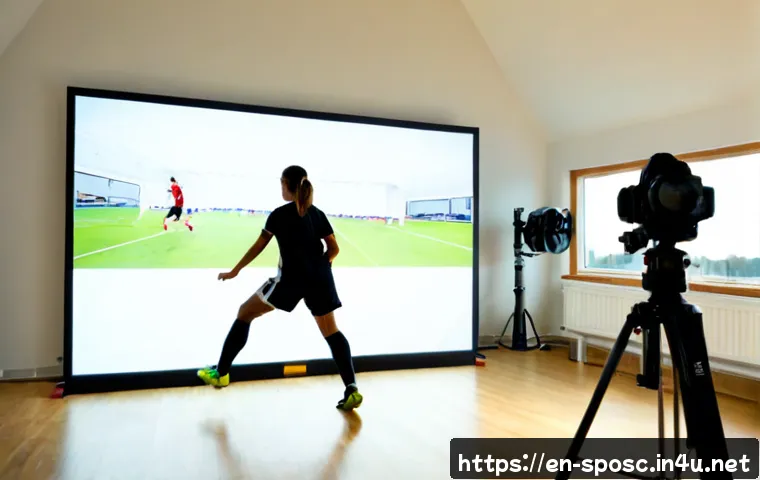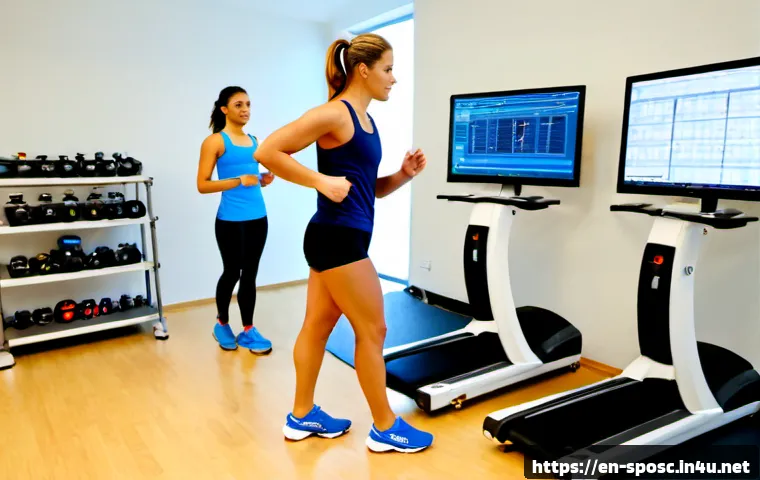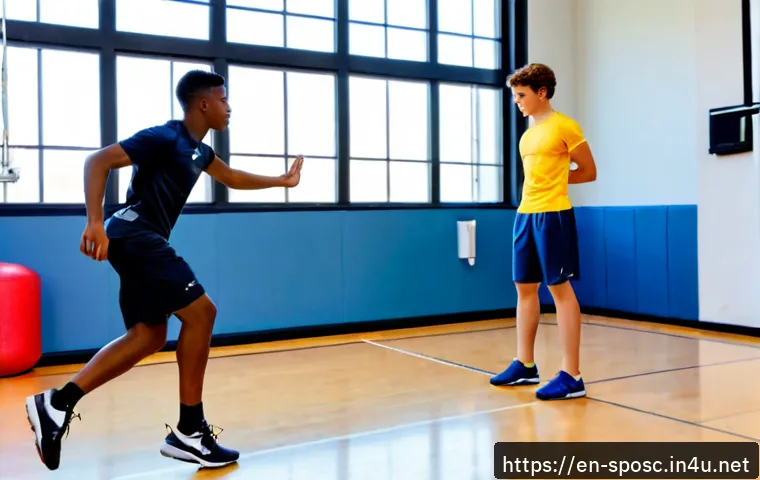
Safe youth sports development is less about expensive equipment or advanced testing and more about qualified coaching, gradual progression, recovery, and enjoyment.
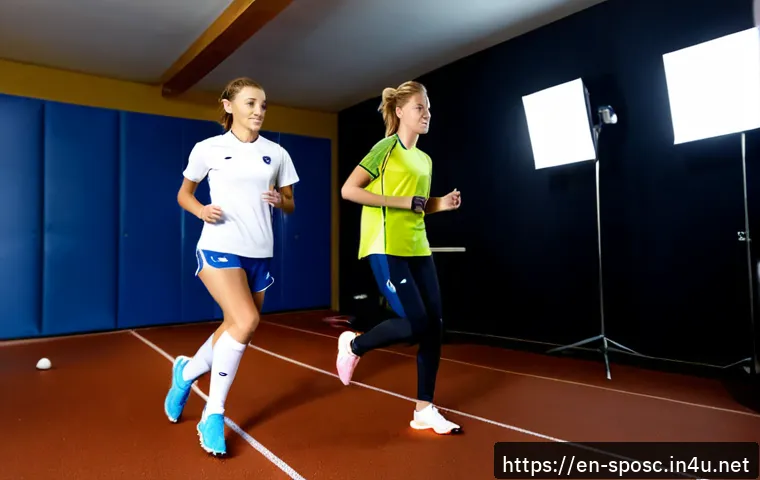
The best support matches a young athlete’s current skills, movement quality, sport demands, and health status—not just their age or test score. Families comparing youth coaching programs, strength training facilities, or sports performance services should focus on supervision and practical value before committing to a package.
A basic school or club program may be enough for many athletes, while individual coaching or an assessment can be useful when there is a specific training question to solve.
Growth, sleep, nutrition, and recovery deserve as much attention as practice time. If an athlete has pain, persistent fatigue, dizziness, or a noticeable drop in function, appropriate healthcare advice should come before more training.
At a Glance
- Coaching quality, appropriate progression, recovery, and enjoyment matter more than costly equipment or rankings.
- Young athletes develop at different rates, so training loads should not be based on chronological age alone.
- Performance testing and paid sports performance services are most useful when they lead to a clear, practical training decision.
| Support Option | Typical Use Case | Questions to Ask | Strong Value Signals |
|---|---|---|---|
| School or team coaching | Learning sport skills, participating regularly, and building confidence | How are drills adapted for different experience levels? How is workload managed during busy periods? | Clear instruction, age-appropriate drills, attention to enjoyment and recovery |
| Private sports coaching | Focused skill development, motivation, or individual feedback | What specific skill goal will sessions address? How does the coach coordinate with the athlete’s team schedule? | Practical feedback, realistic goals, no promises of guaranteed selection or results |
| Strength and conditioning or sports performance facility | Supervised movement, strength work, and structured athletic development | Who supervises sessions? How are exercises progressed? What is the group size? | Technique-first coaching, individualized adjustments, sensible progression |
| Movement or fitness assessment | Answering a specific training question or establishing a useful starting point | What decision will this assessment inform? What follow-up plan is included? | Results are explained clearly and used to guide training rather than label the athlete |
What Youth Sports Science Means for Everyday Training Decisions
The Short Answer: Build Skills Before Chasing Metrics
Youth sports science is the practical use of training principles for growing athletes. The priority is usually skill development, movement quality, recovery, confidence, and enjoyment before advanced performance metrics. A faster test result or a higher ranking may be interesting, but it is not automatically a better training outcome.
For parents and coaches, the useful question is simple: does the current plan help the athlete practice safely, learn effectively, and stay willing to participate over time? If the answer is unclear, more sessions or more testing may not be the solution.
Why Growth and Maturity Change Training Plans
Young athletes develop at different rates. Two athletes of the same age may differ in experience, movement control, growth, confidence, sleep habits, and total weekly activity. That is why chronological age alone is an incomplete guide for training loads and expectations.
A coach should be able to adjust drills and workloads around the athlete in front of them. This includes their sport schedule, current health status, movement quality, and training background. Adult-style plans copied directly into youth training can overlook those differences.
What Evidence-Informed Coaching Looks Like
Evidence-informed youth coaching does not need to look complicated. It usually means teaching technique carefully, progressing exercises gradually, allowing enough recovery, and keeping the athlete engaged. Well-supervised resistance training can support strength and movement skills when exercises, technique, and progression are age-appropriate.
Look for a youth coach or strength and conditioning coach who explains the purpose of an activity in plain language. The best sessions are not necessarily the hardest sessions. They are the sessions where an athlete can learn, move well, and recover for the rest of their week.
Comparing Coaching, Performance Training, and Assessments
Team Coach, Private Coach, Strength Coach, or Performance Provider?
A team coach is often the best starting point for sport skills, participation, and learning how to train within a group. A private coach can be useful when an athlete needs focused help with technique, confidence, or a specific sport skill.
A strength and conditioning coach or sports performance provider may add value when supervised strength work, movement skill development, and individual progression are available. The setting matters less than the quality of supervision. Ask how the provider changes exercises for beginners, experienced athletes, and athletes with busy competition schedules.
When a Movement or Fitness Assessment Can Add Value
A movement assessment or fitness assessment can be useful when it answers a practical question. For example, it may help a coach decide where to begin, what movement skills need attention, or how to adapt a training plan. It is less useful when it is used only to rank young athletes or attach labels.
Before paying for an assessment, ask what the results will change. If there is no clear next step, the assessment may offer less value than consistent, well-supervised coaching. A test alone does not guarantee better results for an individual athlete.
Questions About Qualifications, Supervision, and Safeguarding
Compare providers using a few direct questions. Ask who leads the session, who supervises the athletes, and how the provider adapts training for different experience levels. Ask about group size, session structure, safeguarding practices, and communication with parents.
Also ask how the coach responds when an athlete reports discomfort, fatigue, or a decline in function. A responsible provider should not treat pain or persistent symptoms as something to push through.
Cost and Value: When Paid Support Is Worth Considering
Lower-Cost Options: School Programs, Clubs, and Home Routines
School programs, community clubs, and coach-led home routines can provide a strong foundation when the athlete is learning basic skills and enjoys regular participation. For many beginners, reliable instruction and a manageable weekly routine are more valuable than a premium sports performance package.
Families can ask a team coach what simple movement or skill work fits around practice. The key is to avoid turning home training into an extra source of pressure or fatigue.
Higher-Cost Options: Private Sessions, Facilities, and Assessments
Private coaching, youth strength training facilities, and individual assessments may be worth considering when there is a clear need. This could include focused technical feedback, structured supervision, or a training decision that cannot be made confidently from normal practice alone.
Compare the total monthly cost, not only the price of one session. Consider how the service fits around team training, school demands, travel, sleep, and recovery. More paid support is not always better support.
Avoid Promises and One-Size-Fits-All Packages
Be cautious with services that promise guaranteed performance gains, team selection, scholarships, or rapid transformation. Also question packages that require extensive testing without explaining how the results will guide training.
A quality youth sports program should be able to explain its process without overselling outcomes. The athlete’s needs may change as their schedule, health, confidence, and sport demands change.

Building a Safe Weekly Routine
Balance Practice, Games, Strength Work, Free Play, and Rest
A safe routine considers the athlete’s entire load, not only one training session. Team practices, games, private coaching, gym-based training, school activities, free play, and travel can all add to the weekly demand.
Sleep, nutrition, recovery, and enjoyment are part of the training plan. A busy schedule that leaves little room to recover can make even well-designed sessions harder to manage.
Use Gradual Progression
Progression should be gradual. A sudden increase in repetitive loading without enough recovery can raise the likelihood of overuse problems in growing athletes. Coaches should adjust volume and difficulty based on how an athlete is moving, recovering, and responding to their current schedule.
Rather than adding every available training option at once, introduce one change and observe how it fits. This makes it easier to identify whether the routine remains manageable.
When Training Should Be Adjusted or Paused
Pain, persistent fatigue, dizziness, or a notable decline in function deserve attention. These are not issues to solve by simply adding more effort or more intense training. An appropriately qualified healthcare professional should assess concerning symptoms.
Parents and coaches should communicate early. A short adjustment to training may be more sensible than allowing symptoms or fatigue to build.
Practical Guidance for Different Young Athletes
Beginners Who Need Confidence and Basic Movement Skills
Beginners usually benefit most from clear instruction, simple movement skills, sport-specific basics, and a positive environment. A school team, community club, or appropriately supervised beginner program may be enough. The goal is to create confidence and enjoyment while learning good habits.
Competitive Athletes With Busy Club and School Schedules
Competitive youth players may need more coordination than more training. Review their full schedule before adding private coaching or strength sessions. A qualified coach should adapt the plan around sport demands, recovery needs, and current health status.
Multi-Sport Athletes and Athletes Returning After Time Away
Multi-sport athletes can benefit from varied movement experiences, but their total activity load still matters. Athletes returning after illness, injury, or a break may need a gradual return that reflects their current function and confidence. When pain, persistent symptoms, or functional limitations are present, clinical advice should take priority over performance goals.
Choosing Support for Your Young Athlete: A Comparison Summary
Choose coaching when technique, motivation, or sport skills are the main need. Choose structured sports performance support when there is qualified supervision, age-appropriate progression, and a clear plan that fits the athlete’s overall schedule. Consider an individual assessment when it will answer a specific question and lead to an understandable training decision.
Before enrolling, compare qualifications, supervision, session size, safeguarding, communication, and total monthly cost. Ask what will be adjusted if the athlete is tired, growing quickly, or managing a demanding competition period. Review the provider’s official information and service conditions before choosing a coaching program, training facility, or assessment package.
In Closing
Youth sports science is not about finding a perfect program or chasing the earliest possible advantage. It is about matching training to the athlete’s development, experience, recovery, and goals. Good coaching helps young athletes build skills and confidence without treating them like smaller versions of adults. The most useful support is practical, supervised, and flexible enough to change when the athlete needs it.
Useful Things to Know
1. A higher test score does not automatically mean a better long-term training plan.
2. Strength training can be appropriate when it is well supervised and progressed appropriately.
3. Enjoyment can influence long-term participation just as much as technical development.
4. Total activity load includes more than formal practices and gym sessions.
5. Clear communication between families, coaches, and providers can prevent avoidable overload.
Important Considerations
This guidance cannot determine the right weekly training volume, provider, assessment, or package for a specific athlete. Appropriate qualifications, local requirements, program pricing, insurance coverage, and supervision standards should be checked directly with the relevant provider. Pain, persistent fatigue, dizziness, or a meaningful decline in function should be assessed by an appropriately qualified healthcare professional.
Frequently Asked Questions
Q1. Is strength training safe for young athletes?
A1. Well-supervised resistance training can support strength and movement skills when exercises, technique, and progression are age-appropriate. The important factors are qualified supervision, good instruction, and a plan that reflects the athlete’s experience, movement quality, sport demands, and current health status.
Q2. How much should youth sports performance training cost, and what should families compare before enrolling?
A2. Exact pricing varies by provider and location, so families should compare the total monthly cost and what is included. Look beyond the session price: compare coach qualifications, supervision, group size, progression, communication, safeguarding, and whether the service solves a clear need for the athlete.
Q3. Does a young athlete need a sports performance assessment before starting training?
A3. Not always. An assessment is most useful when it informs a practical training decision, such as where to begin or what to adjust. If a provider cannot clearly explain how results will guide the plan, consistent coaching and age-appropriate training may be the better starting point.