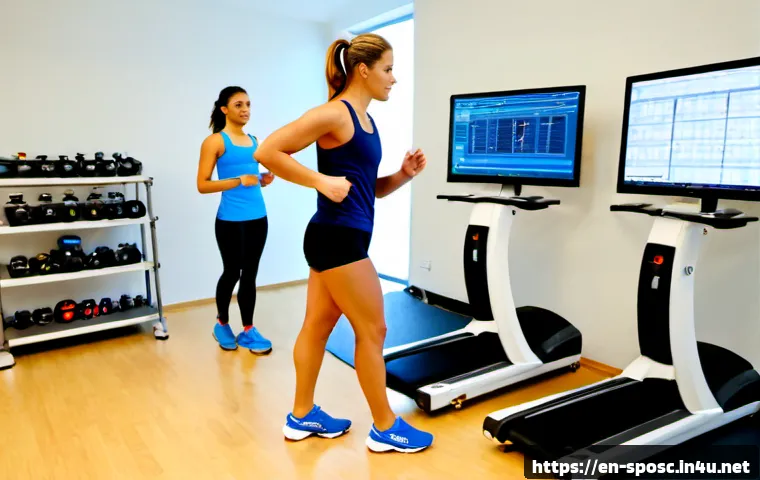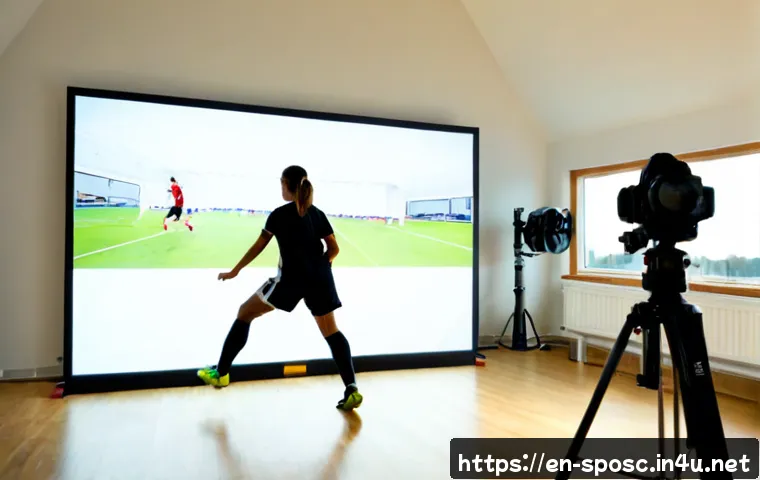
The right sports technology is the one that answers a specific coaching question without adding more data than your staff can review. Video analysis is often the clearest starting point for technique and tactical feedback, while wearable tracking can support workload and movement monitoring when collection is consistent.

Integrated sports analytics software may suit larger programs that need recurring reports across teams. Before comparing subscription plans, decide who will capture data, who will interpret it, and how athletes will receive feedback.
Costs can vary with user seats, hardware, storage, support, and advanced features, so a feature-heavy platform is not automatically better value. Privacy, consent, access controls, and data ownership also deserve attention before a club commits to a contract.
At a Glance
- Video analysis is useful for reviewing movement, tactical choices, and repeatable game situations.
- Wearable tracking systems can monitor measures such as movement volume, speed, heart rate, or workload, depending on the device and sport.
- The best sports analytics platform depends on the sport, team size, staff capacity, workflow, and athlete data requirements.
| Tool Type | Main Decision It Supports | Setup and Staff Time | Key Cost Drivers | Best Fit |
|---|---|---|---|---|
| Video analysis software | Technique review and tactical feedback | Camera capture, clip review, coach feedback | Software features, user seats, storage, support | Coaches, individual athletes, and teams reviewing sessions or games |
| Wearable tracking systems | Movement and workload monitoring | Device fitting, consistent collection, data review | Hardware, subscriptions, support, storage | Programs with a clear monitoring routine |
| Integrated analytics platforms | Recurring reporting across multiple data sources | Higher coordination and technical staff involvement | Features, integrations, seats, hardware, storage, support | Larger organizations with established performance workflows |
What Performance Technology Can—and Cannot—Improve
Performance technology can make coaching conversations more specific. It can help a coach revisit a movement pattern, compare recurring tactical situations, or review workload information collected over time. It cannot replace coaching judgment, correct poor collection methods, or guarantee better results for an athlete or team.
Start With a Coaching Question, Not a Dashboard
Begin with a decision you need to make. For example: which recurring game situations should the team review, which movement pattern needs feedback, or whether training workload needs closer monitoring. A clear performance question helps determine whether video analysis, wearable tracking, or a combined platform is worth the effort.
Separate Useful Evidence From Data Overload
A dashboard can look impressive while producing little action. Select only the clips, metrics, and reports that staff can explain and use. If a measure does not lead to a coaching discussion, training adjustment, or clearer athlete feedback, it may not belong in the regular workflow.
Set Realistic Expectations for Athlete and Team Outcomes
Data quality depends on consistent collection, correct device use, and appropriate interpretation. A wearable metric or tagged video clip is evidence to review, not a standalone answer. Use sports technology to support informed decisions, while recognizing that results will vary by sport, competition level, staff practice, and athlete context.
Compare Video, Wearables, and Integrated Analytics Platforms
The practical choice is usually based on the kind of feedback your program needs most often. A small coaching team may get more value from a simple, repeatable process than from a broad platform with tools nobody has time to manage.
Video-Based Review for Technique and Tactical Feedback
Video analysis platforms are useful when coaches need to slow down, compare, tag, and discuss visible actions. They can support movement review and tactical learning because coaches can return to the same game situation with athletes. Check how easily footage can be captured, stored, shared, and reviewed by the people who will actually use it.
Wearable Tracking for Workload and Movement Monitoring
Wearable tracking systems may collect movement volume, speed, heart rate, or workload data, depending on the device and sport. They are most useful when devices are used correctly and collection is consistent. Before purchasing, ask who will issue devices, verify use, review information, and explain it appropriately to athletes.
Combined Systems for Larger Programs and Recurring Reporting
Integrated sports analytics software can bring video, tracking, and performance reporting into a more connected workflow. This may be useful for organizations with several teams or dedicated performance staff. The trade-off is often greater setup, training, data management, and support needs. Confirm compatibility with existing cameras, wearables, coaching software, or league systems before treating integration as a benefit.
Comparison Table: Cost Drivers, Setup Time, Staffing, and Best-Fit Users
When comparing a team subscription plan, look beyond the headline package. Subscription costs can differ based on features, user seats, hardware, support, and data storage requirements. A lower-cost option that coaches use consistently may offer more practical value than a complex platform that remains unused.
Build an Analysis Workflow That Coaches Will Actually Use
A useful workflow should be short enough to repeat during a normal training week. The goal is not to collect every possible data point. The goal is to make the next coaching decision clearer.
Define the Metrics and Clips Worth Reviewing
Create a small list of priority clips or metrics linked to your coaching question. For video, that may mean selected movement patterns or repeatable tactical situations. For wearables, it may mean the measures your staff can collect consistently and discuss responsibly. Keep the list focused so review does not become a backlog.
Create a Repeatable Capture, Review, and Feedback Process
Set a routine: capture the session or match, organize the material, review it, then provide feedback. Assign ownership at each stage. If the workflow relies on one unavailable staff member, it may not be sustainable. A simple process also makes it easier to evaluate whether a video analysis software subscription is being used as intended.
Train Staff and Athletes to Interpret Results Appropriately
Staff should understand what a metric or clip can show, as well as its limits. Athletes should know why information is collected and how it may be used in feedback. Clear explanation supports better adoption and reduces the risk of treating a single number as a complete assessment.
Avoid Common Buying and Implementation Mistakes
Many sports technology purchases fail because the buying decision is separated from the daily coaching routine. A careful review before signing can prevent expensive features from becoming unused extras.
Paying for Features Without a Clear Use Case

Do not select advanced reporting, multiple dashboards, or broad integrations simply because they appear in a comparison page. Ask which staff member will use each feature, how often, and what decision it will support. If there is no clear answer, it may not be essential for the first purchase.
Underestimating Camera, Hardware, Storage, and Support Costs
The platform fee may not be the whole cost. Review whether the setup requires cameras, wearable hardware, additional storage, technical support, or extra user access. Exact pricing and package contents vary by provider, so request current details before comparing annual commitments.
Ignoring Consent, Privacy, Data Access, and Ownership Questions
Athlete data may raise questions about privacy, consent, storage, access control, and ownership. Establish who can view data, where it is stored, how access is managed, and what happens if the relationship with a provider ends. Clubs should also check applicable local data-protection and safeguarding requirements rather than assuming one policy fits every organization.
Choose the Right Setup for Your Sport and Organization
There is no universal best platform. The suitable setup changes with the sport, the number of athletes, the available staff time, and how regularly analysis will be used.
Individual Athletes and Private Coaches
A focused video workflow may be a practical starting point for technique feedback and session review. Choose tools that make capture and sharing manageable. Avoid paying for organization-wide reporting features unless there is a genuine need and a realistic plan to use them.
Community Clubs and School Programs
These programs often benefit from a simple, repeatable system with clear staff responsibilities. Prioritize usability, support, and sensible access controls. If wearable tracking is considered, make sure the club can handle device use, consistent collection, and appropriate communication with athletes and families.
Competitive Teams With Dedicated Performance Staff
Teams with specialist staff may be able to use integrated analytics platforms more fully. Even then, the platform should match established reporting needs rather than create a separate reporting burden. Confirm support options, storage requirements, available user seats, and potential integration needs before expanding across teams.
Selection Criteria and Comparison Summary
Before choosing a sports analytics software package or wearable tracking subscription, check these points:
- Decision fit: What coaching decision must the platform support?
- Workflow fit: Who captures, reviews, explains, and acts on the information?
- Total cost: Are hardware, storage, support, user seats, and required features included?
- Data governance: Are consent, privacy, access, storage, and ownership questions addressed?
- Contract flexibility: Can the program test adoption before expanding its commitment?
Compare plans, support options, integration details, and data policies before signing an annual contract. Official product pages and written contract terms are the right places to confirm current feature availability, compatibility, and conditions.
Final Thoughts
Good sports technology should make coaching decisions easier to explain and repeat. Start with the smallest setup that answers your most important performance question. Build a reliable process before adding more metrics, devices, or reporting layers. The strongest purchase decision is usually the one your staff and athletes can use consistently.
Useful Things to Know
Consistency matters: the same device or platform can produce less useful information when collection methods change.
Staff time is a real cost: reviewing clips and interpreting tracking data requires a planned routine.
More data is not automatically better: select evidence that leads to a clear coaching action.
Important Considerations
Feature availability, pricing, accuracy, compatibility, and contract terms differ by provider and may change. No analysis platform can promise a specific performance outcome. Review local privacy, consent, safeguarding, and data-protection requirements for your organization before collecting or sharing athlete information.
Frequently Asked Questions
Q1. How much should a club budget for sports performance analysis technology?
A1. There is no single budget figure that fits every club. Compare the full cost of the required software subscription, hardware, user seats, storage, support, and staff time. Start with the features needed for a defined coaching workflow rather than paying for unused extras.
Q2. Is video analysis or wearable tracking better for a small coaching team?
A2. It depends on the coaching question. Video analysis may be a practical fit when the priority is technique or tactical feedback. Wearable tracking may fit when consistent workload or movement monitoring is the priority and the team can manage device use and interpretation. A small team should favor the option it can run reliably.
Q3. What should coaches check before collecting athlete performance data?
A3. Coaches should define the purpose of collection, decide who can access the information, review consent and privacy needs, consider storage and ownership, and make sure staff can interpret the data appropriately. Local legal and safeguarding requirements should also be checked for the club or organization.