Learn the core principles behind effective strength training, including progressive overload, exercise selection, volume, recovery, and when a coach, gym membership, or home equipment may be worth the cost.

Effective strength training is built on consistent practice, good technique, progressive overload, and recovery—not on finding one “perfect” routine. Choose the simplest program and training setup that lets you practice key movement patterns safely and regularly. A gym membership, home gym equipment, personal trainer, or workout app can be useful when it improves convenience, feedback, or long-term consistency. Beginners usually benefit from fewer exercises and less variation while they learn foundational patterns. As training goals become more specific, exercise selection and progression can become more specific too. If pain, persistent joint symptoms, dizziness, or a medical concern is present, seek assessment from a qualified healthcare professional.
At a Glance
- Train the patterns you want to improve: strength is influenced by specificity, so regular practice matters.
- Progress gradually: overload can mean more load, repetitions, sets, range of motion, or technical difficulty.
- Buy support for a real limitation: choose a gym, home equipment, coach, or app based on convenience, feedback, and the ability to progress.
| Option | Upfront Cost | Convenience | Feedback | Scalability |
|---|---|---|---|---|
| Gym membership | Ongoing membership cost | Depends on location and opening hours | May be limited without staff or coaching | Often offers many machines, free weights, and cables |
| Home equipment | Depends on the equipment selected | High when space is available | Self-directed unless paired with coaching | Depends on load options and exercise variety |
| Coach-led plan | Varies by service and level of support | Can work in a gym or at home | Potentially direct and individualized | Useful when programming or technique needs review |
| Workout-tracking app | May be free or paid | Easy to use during training | Usually limited to the app’s features | Can simplify logging and planned progression |
The Core Principles Behind Productive Strength Work
Start with movement quality, consistency, and manageable effort
The most productive starting point is usually not an advanced split or a complicated exercise list. It is a routine you can repeat consistently while practicing sound technique. Good technique and an appropriate range of motion can help manage injury risk while improving the quality of the training stimulus.
For most beginners, a smaller menu of exercises makes it easier to learn the basic squat, hinge, push, pull, carry, and core patterns. A manageable effort level also matters. If every session leaves you unable to train consistently, the plan may be harder to sustain than it needs to be.
Use progressive overload without chasing heavier weight every session
Progressive overload means gradually increasing training demands over time. Adding weight is one option, but it is not the only option. You can also add repetitions, sets, range of motion, technical difficulty, or improve the quality and control of a movement.
For example, a home trainee using adjustable dumbbells may progress by improving repetitions or exercise control before buying more weight. Someone training at a commercial gym may have access to smaller load changes, more machines, and cable stations. The useful choice is the one that creates enough challenge while keeping technique reliable.
Balance training stress with recovery and realistic scheduling
Training creates stress; recovery supports adaptation. Sleep, nutrition, stress, and training frequency can all affect performance and consistency. A program that looks ideal on paper may not be a good fit if your schedule only allows short sessions or if recovery is regularly poor.
Choose a schedule you can repeat. This is often more valuable than copying a high-volume plan that does not fit your work, family, travel, or sleep routine. When performance, technique, or motivation consistently deteriorates, review training demands and recovery rather than automatically adding more work.
Compare Training Methods, Equipment, and Support Options
Free weights, machines, cables, bands, and bodyweight: what each does well
Resistance training can use free weights, machines, cables, resistance bands, and bodyweight, provided the exercise offers sufficient challenge. Each option can support strength training, but they differ in setup, exercise selection, and progression.
Free weights can be practical for many compound movements and can work well in a home gym or commercial gym. Machines and cables may make certain movements easier to set up and repeat. Resistance bands are portable and useful where space is limited. Bodyweight training can be effective when movements are challenging enough or made more technically demanding over time.
Do not assume that more equipment automatically means better results. More equipment is useful when it solves a specific problem: limited load options, limited exercise choices, poor setup convenience, or the need for a movement that is difficult to train otherwise.
Full-body versus split routines for different weekly schedules
A full-body routine is often a practical beginner choice because it can repeatedly practice core movement patterns with fewer exercises. It may also suit people who have a limited number of training days and want each session to include a broad range of movements.
An upper/lower routine can help organize work by body region and may suit people who can train on more days. A more specialized split routine can provide additional exercise variation, but it is not automatically superior. The best structure depends on your available time, equipment, recovery, and ability to follow the plan consistently.
Gym membership, home setup, app, or coach: value factors beyond price
A gym membership may add value when you need access to barbells, machines, cables, a wider range of loads, or a dedicated place to train. Home gym equipment may add value when travel time is the main reason sessions get skipped. Adjustable dumbbells, bands, and bodyweight options can be enough for many simple home routines if they allow meaningful challenge and progression.
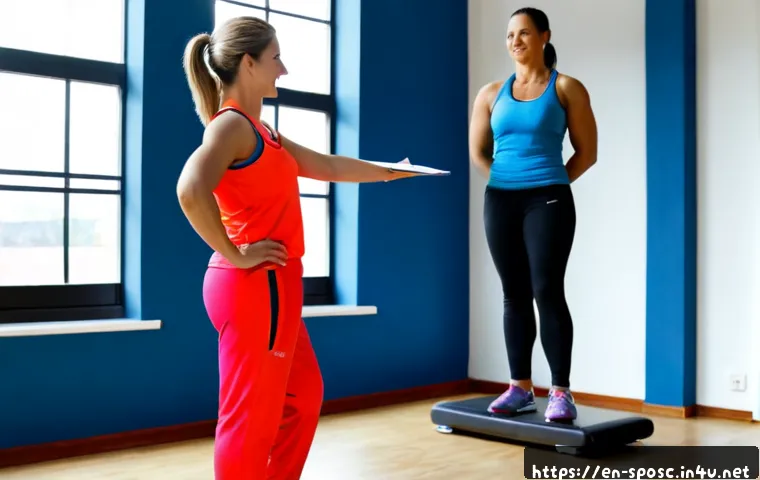
A workout-tracking app can be useful if you need help logging exercises, repetitions, sets, and load. A personal trainer or qualified coach may be worth considering when you want feedback on technique, a clearer program structure, or support adapting training to your circumstances. Review qualifications, programming approach, and the type of support offered before paying for a coaching service.
Build a Simple Program From the Main Training Variables
Choose exercises around squat, hinge, push, pull, carry, and core patterns
A balanced starting program can be organized around major movement patterns rather than chasing a long list of individual exercises. Squat and hinge patterns train different lower-body actions. Push and pull patterns can be performed with free weights, machines, cables, bands, or bodyweight variations. Carries and core work can add useful practice in bracing and control.
Exercise choice should match your goal, equipment, experience, and ability to perform the movement with good technique. Specificity matters: if you want to improve a particular movement pattern, practicing that pattern is likely to be relevant. That does not mean every person needs the same exercise variation.
Set volume, repetitions, rest periods, and weekly frequency
Training volume is commonly described through sets, repetitions, load, and how often a muscle group or movement is trained. These variables work together. More is not automatically better, because training demands must still fit recovery and your ability to perform quality repetitions.
There is no single best number of sets, repetitions, or weekly sessions for every person. Start with a straightforward amount of work you can complete with sound form and repeat regularly. Then adjust one variable at a time when progress, technique, recovery, and scheduling suggest a change is needed.
Track progress using performance, technique, and recovery signals
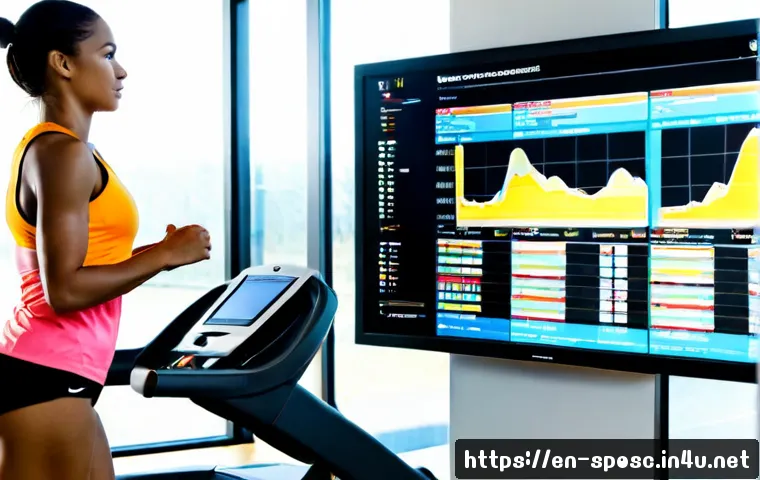
Tracking does not need to be complicated. Record the exercise, sets, repetitions, load or resistance, and brief notes about technique or recovery. A workout app, notebook, or simple spreadsheet can make patterns easier to see.
Progress is not only a larger number on the bar. Cleaner repetitions, a more controlled range of motion, successful completion of planned work, and more reliable training consistency can all be useful signals. If performance falls while sleep, stress, or soreness is also worsening, more load may not be the right next step.
Avoid Common Programming and Form Mistakes
Changing routines too often before progress can be measured

Program hopping makes it difficult to know whether an exercise, routine structure, or progression approach is working. Beginners especially benefit from repeating core movements long enough to practice them. Change a routine because there is a clear reason—not simply because a new plan looks more exciting.
Adding load faster than technique and recovery allow
Increasing load can be useful, but it should not come at the cost of unstable technique or poor recovery. Before adding weight, consider whether you can improve repetitions, control, range of motion, or consistency. A small, deliberate change is easier to evaluate than several changes made at once.
Treating pain, fatigue, and poor sleep as signals to ignore
Hard training can feel challenging, but pain, persistent joint symptoms, dizziness, or medical concerns should not be treated as routine training problems to push through. Persistent fatigue and poor sleep can also affect performance and consistency. A qualified healthcare professional can assess medical concerns, while a qualified coach may help review training technique and programming within their scope.
Adapt the Plan to Your Goal and Training Environment
General strength and health-focused training
For general strength, focus on regular practice of major movement patterns, manageable training demands, and gradual progression. A simple full-body routine can make sense because it keeps exercise selection focused and gives repeated practice opportunities. The goal is a plan you can sustain, not a plan that looks impressive for one week.
Muscle-building goals and higher-volume work
Muscle-building training may involve more total work across sets, repetitions, load, and weekly frequency. However, higher volume still needs to fit recovery. More exercises and variation can be useful when they serve a clear purpose, but they can also make tracking and technique management harder.
Time-limited home training with minimal equipment
For time-efficient home training, prioritize movements that are easy to set up and challenging enough to progress. Adjustable dumbbells, resistance bands, bodyweight exercises, or a small combination of equipment can support a simple program. Before upgrading a home gym, ask whether the current limitation is truly equipment—or whether a clearer routine, better tracking, or more consistent scheduling would solve the issue.
Selection Criteria and Comparison Summary
Use these checks before committing to a gym contract, home gym equipment purchase, personal training package, or workout app:
- Access: Can you realistically train in this location and at these times?
- Progression: Does the setup provide enough challenge to increase training demands gradually?
- Exercise fit: Can you practice the movement patterns relevant to your goal?
- Feedback: Do you need technique review, structured programming, or accountability?
- Recovery: Does the plan fit your sleep, stress level, and weekly schedule?
- Cost per workout: Compare likely use, convenience, and support before committing to equipment or coaching.
Compare the official details, qualifications, equipment specifications, cancellation terms, and support options on the relevant provider’s page before making a decision.
Conclusion
Strength training works best when the program matches your goal, environment, and capacity to recover. Start with a small number of well-chosen movements, practice them consistently, and progress gradually. Equipment and paid support can be helpful, but they should remove a real obstacle rather than add complexity. A plan you can perform safely and repeat over time is usually the strongest foundation.
Useful Information to Keep in Mind
Specificity: practice matters for the movement pattern you want to improve.
Overload: more weight is only one way to make training more demanding.
Tracking: a basic record can help you distinguish real progress from random day-to-day changes.
Simplicity: fewer exercises may be easier to learn, perform, and progress—especially at the beginning.
Important Considerations
This article provides general education, not an individual training or medical assessment. The best number of sets, repetitions, and sessions differs between individuals. Exercise suitability can also depend on injury history, mobility limitations, and medical conditions. Seek appropriate professional guidance for pain, persistent symptoms, dizziness, or medical concerns.
Frequently Asked Questions
Q1. What is the best strength training routine for a beginner?
A1. A simple routine built around core movement patterns is often a strong starting point. Full-body training can be practical because it uses fewer exercises and allows repeated practice of squat, hinge, push, pull, carry, and core patterns. The best routine is one you can perform with good technique and follow consistently.
Q2. Is a gym membership worth it for strength training, or can I train effectively at home?
A2. Both can work. A gym membership may be valuable for access to a wide range of machines, cables, free weights, and loading options. Home training may be valuable when convenience improves consistency. Choose based on available space, access, equipment needs, and whether your setup allows sufficient challenge and progression.
Q3. When should I consider hiring a personal trainer or using a workout app?
A3. Consider a qualified trainer or coach if you need technique feedback, programming support, or accountability. A workout app may be useful if your main need is logging sessions and keeping planned progress organized. Before paying, review the qualifications, programming approach, features, and support offered rather than assuming any paid option will produce better results.