
Ever wondered what truly fuels an athlete’s peak performance, or how we can genuinely revolutionize public health through physical activity? The world of sports is so much more than just games and scores; it’s a dynamic, ever-evolving landscape driven by cutting-edge science.
From what I’ve personally observed, a Sports Science degree isn’t just about understanding the human body; it’s about diving deep into physiology, psychology, nutrition, and biomechanics to unlock incredible potential.
With the massive surge in data analytics and wearable tech, and the growing focus on personalized training and injury prevention, the opportunities right now are simply boundless.
If you’re passionate about making a real impact, whether it’s optimizing elite athletes or empowering communities to live healthier lives, this field is brimming with exciting possibilities.
Let’s dive in deeper below and explore what this incredible path truly offers!
I’m so thrilled you’re diving into the incredible world of sports science with me! Seriously, what an exhilarating field to explore. It’s not just about flexing muscles; it’s about pushing the boundaries of human potential, whether that’s on the track, in the gym, or even in our daily lives.
From my perspective, the recent breakthroughs in understanding how our bodies and minds work under pressure have been nothing short of revolutionary. We’re finally moving beyond guesswork and into a realm where every training session, every meal, and every recovery moment is backed by solid, evolving science.
If you’ve ever found yourself fascinated by what makes an athlete truly great, or pondered how we can all live healthier, more active lives, then stick around, because sports science is absolutely buzzing with answers and new discoveries.
Let’s unpack some of the most exciting developments that I’ve been keeping a close eye on!
Unlocking Peak Athletic Potential with Data
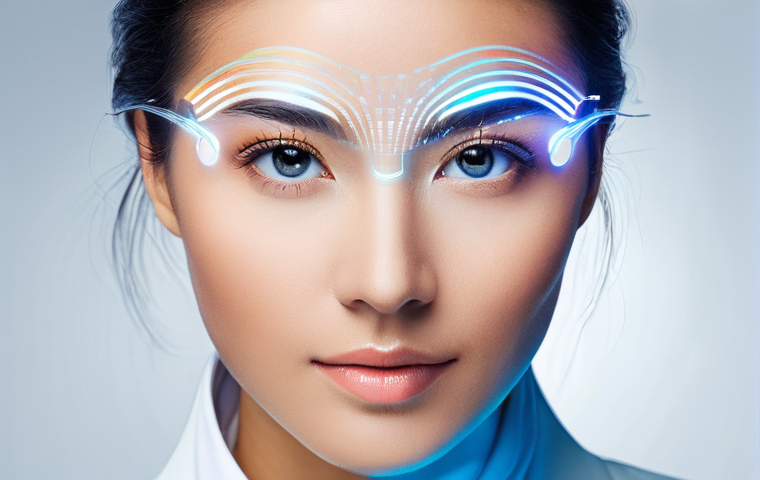
It’s genuinely mind-boggling how much data has transformed sports. When I first started following the scene, it felt like coaching was largely instinctual, based on a coach’s gut feeling and years of experience. While that wisdom is still invaluable, the game has completely changed with the advent of data analytics. Now, we’re talking about real-time insights that can instantly tell us if an athlete is overtraining, needs more recovery, or if their technique is subtly faltering. It’s like having a superpower, allowing coaches and athletes to make incredibly precise adjustments that simply weren’t possible before. I’ve seen firsthand how teams leverage this to fine-tune everything from offensive strategies to individual player development, literally giving them an edge that can be the difference between winning and losing. This isn’t just about raw numbers; it’s about translating complex physiological and biomechanical data into actionable steps that drive tangible improvements. The sheer volume of information from sensors, wearables, and video analysis is creating a holistic picture of performance that helps athletes become the absolute best versions of themselves. We’re on the cusp of an era where every athletic decision is informed by data, leading to unprecedented levels of optimization.
The Rise of Wearable Technology
Remember when fitness trackers just counted steps? Oh, how far we’ve come! Today’s wearable technology is seriously next-level, acting as a personal sports scientist strapped right to your body. We’re talking about devices that integrate biometric sensors, GPS, and even machine learning to give you real-time insights into heart rate variability, muscle fatigue, movement efficiency, and crucial recovery patterns. I’ve experimented with a few of these myself, and the feedback is incredible—it’s like having a detailed report on your body’s engine, helping you understand exactly what’s happening under the hood. Modern wearables don’t just collect data; they transform it into actionable intelligence, allowing athletes to make split-second adjustments during training and competition. Imagine knowing precisely when your muscles are nearing exhaustion or if your running form is becoming inefficient, all thanks to a discreet sensor. It’s no longer just for elite athletes; even us everyday fitness enthusiasts can tap into this power to train smarter, avoid injuries, and genuinely optimize our personal performance. From smart contact lenses that monitor glucose to biometric patches for continuous health tracking, the innovations keep coming.
The Power of Predictive Analytics
Beyond simply tracking what’s happening, the exciting frontier is predictive analytics. This is where data science truly shines, moving from descriptive to foresight. Teams are now using sophisticated algorithms to analyze vast datasets, including player workload, fatigue levels, and biomechanical information, to identify patterns that might indicate an injury risk. It’s a game-changer for injury prevention, allowing proactive interventions before a minor niggle becomes a season-ending injury. I’ve seen how crucial this can be – preventing injuries not only keeps athletes on the field but also safeguards their long-term health and careers. Data analytics is also playing a pivotal role in talent scouting and recruitment, providing teams with detailed performance metrics and predictive insights to identify promising prospects and make informed decisions about team composition. It’s not just about who’s performing well *now*, but who has the potential to excel in the *future*, and how to keep them healthy and performing at their peak.
Fueling the Machine: Advanced Sports Nutrition
Nutrition in sports has always been important, but I’ve noticed a significant shift in recent years from generic advice to incredibly personalized, science-backed strategies. It’s no longer just about “eating healthy” – it’s about strategic fueling, tailored to an athlete’s specific sport, training phase, and even genetic makeup. My personal journey with understanding nutrition has shown me that what works for one person can be completely different for another, and sports science is validating this with robust research. We’re seeing a deeper dive into macronutrient timing, the role of micronutrients, and even the gut microbiome’s impact on performance and recovery. This evolution ensures that athletes are not just getting enough calories, but the *right* kind of calories at the *right* time to optimize energy, enhance recovery, and bolster overall health. It’s a holistic approach that truly treats the body as a high-performance machine, demanding precision and constant adjustment based on scientific feedback.
Strategic Macronutrient Timing and Hydration
For peak performance, it’s not just *what* you eat, but *when*. Elite athletes are meticulous about their meal timing, consuming substantial meals at strategic points throughout the day. Carbohydrates, for example, are crucial for energy and recovery, with top athletes consuming carb-rich meals both before and after workouts to keep their glycogen stores full. I’ve found that even for my own more moderate activity levels, timing my carb intake around my workouts makes a noticeable difference in my energy levels and how quickly I recover. Hydration is another non-negotiable aspect, and it’s far more nuanced than just “drinking water.” Proper hydration is absolutely essential, and individual needs can vary widely based on factors like sweat rate, climate, and workout intensity. Monitoring hydration status based on urine color and frequency is a simple yet effective tip that applies to everyone, not just pros. It’s a fundamental pillar that, when neglected, can significantly impair performance.
The Power of Nutrient-Dense Foods and Supplements
Beyond timing, the quality of what we put into our bodies is paramount. Opting for nutrient-dense foods provides the essential fuel and vital nutrients needed to support athletic performance and overall health. Think whole grains like brown rice and quinoa, lean proteins such as chicken and fish, and a vibrant array of fruits and vegetables. These foods are packed with carbohydrates, fiber, vitamins, and antioxidants, all contributing to sustained energy, muscle growth, repair, and immune function. I always tell people that while supplements can play a role, they’re called “supplements” for a reason – they *supplement* a solid foundation of whole foods, not replace them. Essential vitamins like Vitamin D and calcium are crucial for bone health and injury prevention, while antioxidants from colorful fruits and vegetables aid in recovery and tissue repair.
The Mind-Body Connection: Sports Psychology
If you’ve ever watched an athlete choke under pressure or make an incredible comeback, you know the mind is just as critical as the body in sports. For so long, mental training was almost an afterthought, but I’m thrilled to see sports psychology finally getting the recognition it deserves. It’s about building mental resilience, focus, and the ability to perform under the most intense scrutiny. Through my own experiences, I’ve learned that mastering the mental game can unlock physical potential you never knew you had. Sports psychology delves into everything from managing anxiety and building self-confidence to developing effective visualization techniques. It’s a fascinating blend of science and human experience, helping athletes of all levels navigate the unique pressures of competition and training. The stigma around mental health in sports is slowly but surely eroding, thanks to prominent athletes openly discussing their struggles and the growing understanding that a healthy mind is a cornerstone of peak performance.
Building Mental Resilience and Focus
Emerging trends in sports psychology are truly revolutionary, with techniques like neurofeedback training gaining traction. This method uses real-time brain activity monitoring to help athletes learn to regulate their mental states, improving focus and reducing anxiety. Imagine being able to actively train your brain to stay calm and sharp in high-pressure situations – that’s the power we’re talking about! Virtual reality (VR) training is another exciting development, immersing athletes in simulated environments to practice skills and strategies without physical constraints. I can only imagine how incredible it would be to virtually rehearse a game-winning shot or a critical tactical play, building muscle memory and mental fortitude simultaneously. These advancements are creating highly personalized mental training programs, optimizing both performance and overall well-being. It’s all about equipping athletes with the mental toolkit to thrive, not just survive, in competitive environments.
Addressing Athlete Mental Health
Beyond performance enhancement, there’s a growing and incredibly important focus on the mental health of athletes. Competitive sports can take a significant toll, and thankfully, sports psychologists are increasingly instrumental in providing crucial mental health support. We’re seeing a shift towards a more holistic approach to athlete wellness, where psychological support is integrated into training programs. High-profile athletes openly sharing their mental health journeys have done wonders in destigmatizing these conversations, making it easier for others to seek help. This trend extends from elite professionals to youth athletes, with programs emerging to build resilience and foster open dialogues about mental health challenges. It’s a vital step towards creating a healthier, more supportive sports culture that recognizes that true strength encompasses both physical and mental well-being.
The Science of Motion: Biomechanics and Injury Prevention
Biomechanics, for me, has always been one of the most visually compelling aspects of sports science. It’s literally the physics of human movement, breaking down every stride, jump, and swing into quantifiable data points. When you see an athlete move with incredible efficiency or unfortunately, when an injury occurs, biomechanics explains the ‘why’ and the ‘how’. Through my observations, understanding these principles is absolutely fundamental not just for enhancing performance, but critically, for preventing injuries. We’re moving away from simply reacting to injuries to proactively identifying risk factors and implementing preventative measures. This field is constantly evolving with cutting-edge technology, from high-speed cameras to motion capture systems, providing insights that were once unimaginable. It allows coaches and practitioners to identify subtle imbalances or inefficiencies in movement patterns that could lead to trouble down the line, ensuring athletes can train harder and longer with greater safety.
Analyzing Movement with Motion Capture
Motion capture technology has revolutionized how we analyze athletic movement, offering an unprecedented level of detail into kinematics, motor control, and biomechanics. Imagine seeing a digital twin of an athlete performing, with every joint angle and force exertion meticulously measured. This allows sports scientists to pinpoint exactly where an athlete might be losing power, experiencing undue stress, or developing a compensatory movement pattern that could lead to injury. It’s not just for the pros; even in amateur sports, I’ve seen coaches use simpler video analysis tools to break down technique and help athletes improve their form. The synergy between wearable technology and video analysis further enhances this, providing a comprehensive understanding of performance by correlating biomechanical data with visual technique. This powerful combination creates detailed athlete development profiles, paving the way for targeted training and significant performance gains.
Proactive Injury Prevention Strategies
One of the most impactful applications of sports science for me is in injury prevention. Instead of waiting for an injury to happen, biomechanical analysis combined with data analytics allows for proactive interventions. By monitoring an athlete’s workload, biomechanics, and various injury risk factors, teams can identify potential risks and implement preventive measures. This is crucial for reducing the chances of injuries occurring and keeping athletes healthy throughout their careers. I’ve personally seen the frustration of athletes sidelined by preventable injuries, so the ability to detect muscle fatigue early through advanced sensors or monitor real-time impact in contact sports is a massive step forward. This data helps coaches adjust training loads before injuries happen, optimize recovery protocols, and even track rehabilitation progress with greater precision. It’s about creating a safer, more sustainable environment for athletes to thrive.
Advancements in Exercise Physiology
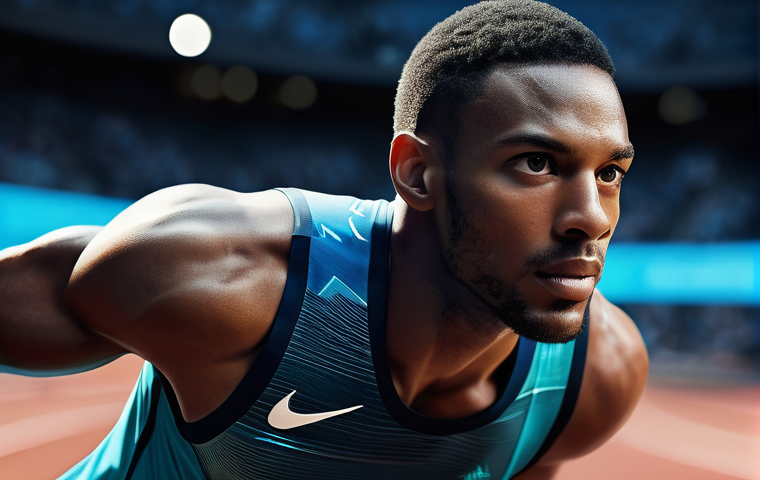
Exercise physiology is, in many ways, the bedrock of sports science, delving deep into how our bodies respond and adapt to physical activity. What truly fascinates me is how this field, which started with a focus on basic energy production, has expanded exponentially with new technology. We’re now exploring the physiological responses to exercise at a molecular and cellular level, giving us an incredibly detailed understanding of what happens when we push our limits. My understanding of my own body has grown so much through learning about concepts like maximal oxygen uptake and how our cardiovascular system adapts to training. It’s not just about getting fitter; it’s about understanding the intricate dance of our internal systems to maximize performance and, importantly, promote overall health and disease prevention. This constant expansion of knowledge means we’re always finding new ways to optimize training, enhance recovery, and even use exercise as a powerful tool for well-being.
Understanding Energy Metabolism and Adaptation
At its core, exercise physiology explores how our bodies generate and utilize energy during physical activity. Early pioneers like Archibald Hill introduced foundational concepts such as maximal oxygen uptake and oxygen debt, which are still cornerstones of our understanding. Today, with advanced technology, we can measure oxygen consumption and metabolic responses with incredible precision. I remember learning about the Fick Equation and realizing just how complex our cardiovascular system’s response to exercise is – it’s truly a marvel! This understanding of energy-producing events, particularly in the mitochondria, is becoming even more complex, revealing new ways to regulate energy production. The field also examines the acute responses and chronic adaptations to exercise, looking at specific changes in muscular, cardiovascular, and neurohormonal systems that lead to improvements in functional capacity and strength. It’s a continuous learning curve, always revealing new insights into how our bodies are designed to move and adapt.
Exercise as Medicine and Public Health
Beyond elite performance, exercise physiology has increasingly focused on the profound impact of physical activity on public health and disease prevention. The philosophy “Exercise is Medicine” has gained significant traction, highlighting how physical activity can reduce or even reverse disease progression. I believe this is such a powerful message that everyone needs to hear. Regular physical activity provides significant physical and mental health benefits, contributing to the prevention and management of noncommunicable diseases like cardiovascular diseases, cancer, and diabetes, while also reducing symptoms of depression and anxiety. The World Health Organization (WHO) even defines physical activity broadly, encompassing all movement during leisure, transport, work, or domestic activities. My hope is that more communities embrace strategies that make it safer and easier for everyone to be active, like providing access to parks and safe walking routes, because the health benefits are truly boundless.
Diverse Career Paths in Sports Science
One of the most exciting things about the evolution of sports science is the incredible array of career opportunities it’s opening up. When I first considered this field, I admit, I mostly thought about working with professional athletes. But I’ve since discovered that the skills you gain – a deep understanding of human physiology, data analysis, problem-solving, and communication – are highly versatile and sought after across so many sectors. It’s no longer a niche field; it’s a dynamic industry with roles spanning from elite sports to public health, from cutting-edge research to direct client interaction. Whether your passion lies in optimizing performance for the next Olympic champion, helping individuals recover from injury, or even designing community-wide wellness programs, there’s a place for you. The knowledge and expertise developed within sports science are becoming increasingly valuable as society places a greater emphasis on health, well-being, and maximizing human potential at every level.
Working with Elite Athletes and Teams
Many sports science graduates naturally gravitate towards working with professional sports clubs, national sporting associations, and elite athletes. Roles like exercise physiologist, strength and conditioning specialist, and sports performance analyst are crucial in these high-stakes environments. I’ve always admired the meticulous work these professionals do, using science to shave off milliseconds or boost endurance just enough to secure a victory. They’re on the front lines, applying advanced monitoring techniques, data collection, and research methods to continuously improve performance. Furthermore, the demand for sport psychologists within professional teams has expanded significantly, with many MLB teams, for example, employing “mental skills coaches” to help players deal with the immense mental challenges of the game. It’s a demanding but incredibly rewarding path for those passionate about pushing the boundaries of human achievement.
Promoting Health and Wellness in the Community
Beyond the glitz of professional sports, there’s a huge and equally vital area in promoting health and wellness for the general population. Sports science graduates are making a real impact as health and fitness consultants, wellness coaches, and exercise physiologists in clinical settings. They design and implement exercise programs, provide nutritional guidance, and promote overall well-being for individuals of all ages and fitness levels. I believe this is where sports science can truly revolutionize public health, making scientific knowledge accessible and actionable for everyday people. Opportunities also exist in public sector organizations, charities, and local authorities, where professionals work on sports development and health improvement initiatives. It’s about empowering communities to live healthier, more active lives, demonstrating that the benefits of sports science extend far beyond just competitive arenas.
The Cutting Edge: Innovations and Future Outlook
The pace of innovation in sports science is absolutely breathtaking, and it’s what keeps me constantly engaged. Just when you think you’ve seen it all, a new technology or research breakthrough emerges that completely shifts the paradigm. From what I’ve been observing, we’re moving towards even more personalized, integrated, and predictive approaches to training, recovery, and performance. The future isn’t just about making athletes faster or stronger; it’s about making them smarter, more resilient, and healthier in the long term. This constant evolution is driven by interdisciplinary collaboration, bringing together experts from physiology, psychology, engineering, and data science. It’s a thrilling time to be involved in this field, and I honestly can’t wait to see what new discoveries and applications will shape the world of sports and exercise in the coming years. The possibilities genuinely feel endless, and I’m here for every single step of the journey!
AI and Machine Learning in Sports
Artificial Intelligence (AI) and machine learning are rapidly transforming sports in ways we’re only just beginning to comprehend. AI is now being used to analyze huge amounts of data in real-time, giving coaches unparalleled tools to make better decisions during games and training. This includes everything from analyzing an athlete’s performance metrics to predicting plays and optimizing strategy. I’ve seen how AI can process complex patterns in data that a human eye might miss, providing insights into player fatigue, injury risk, and even psychological states. For instance, AI algorithms can create highly personalized training programs tailored to individual athletes’ needs, constantly adapting based on their biometric data and performance outputs. The integration of AI means a more intelligent, responsive, and ultimately more effective approach to athlete development and performance optimization.
Personalized Training and Recovery Protocols
The future of sports science is undeniably personalized. Generic training plans are becoming a thing of the past as we embrace individualized approaches that consider every athlete’s unique physiology, genetics, and psychological profile. Wearable technology, combined with AI and advanced analytics, enables this level of customization. Devices provide insights into heart rate variability, sleep quality, stress levels, and muscle recovery, allowing for dynamic adjustments to training loads and recovery protocols. I’ve always believed that listening to your body is key, and now science is providing incredibly precise tools to do just that. Non-invasive glucose monitoring and advanced hydration tracking are on the horizon, promising to revolutionize how athletes manage their energy levels during long events. This bespoke approach ensures that training is not just effective but also sustainable, minimizing the risk of overtraining and maximizing long-term gains.
| Emerging Sports Science Trends (2025 Onwards) | Key Innovations/Applications | Impact on Athletes & Public Health |
|---|---|---|
| Wearable Technology Advancements | Smart contact lenses for glucose, biometric patches, AI-powered predictive injury prevention, quantum sensors. | Real-time performance optimization, early fatigue detection, personalized recovery, enhanced injury prevention. |
| Advanced Data Analytics & AI | Machine learning for performance prediction, strategic game planning, talent identification, synthetic data for privacy. | Data-driven decision-making, optimized training loads, reduced injury risk, enhanced fan engagement. |
| Personalized Nutrition Strategies | Genetics-based diet plans, gut microbiome analysis, advanced nutrient timing, targeted supplementation. | Maximized energy, accelerated recovery, improved long-term health, protection from injury. |
| Sports Psychology Integration | Neurofeedback training, virtual reality for mental resilience, holistic mental health support for athletes. | Enhanced focus, reduced anxiety, improved decision-making under pressure, destigmatized mental health care. |
| Biomechanics & Motion Capture | 3D printing for customized gear, high-resolution movement analysis, early detection of movement inefficiencies. | Optimized technique, improved equipment fit, proactive injury identification and prevention, enhanced rehabilitation. |
| Public Health through Physical Activity | Community design initiatives, digital health interventions, focus on bridging gender data gaps in research. | Increased physical activity levels across populations, reduced chronic disease burden, improved mental well-being, healthier aging. |
Wrapping Up Our Dive into Sports Science
So there you have it – a whirlwind tour through the exhilarating landscape of modern sports science! I hope you’ve enjoyed digging into these breakthroughs as much as I have.
It’s truly incredible to witness how dedicated researchers, coaches, and athletes are continually pushing the boundaries of human potential, transforming our understanding of performance, health, and well-being.
This isn’t just about elite sports; it’s about unlocking a healthier, more active life for all of us, and making smarter choices every day. The future is undeniably bright, and I’m genuinely excited to see what amazing discoveries await us!
Useful Information to Know
1. Personalized Fueling is Key: Your body’s nutritional needs are unique. Don’t just follow generic diets; consider your activity level, body type, and even genetic predispositions to truly optimize your energy and recovery. It makes a world of difference, trust me!
2. Listen to Your Body’s Data: Wearable tech isn’t just for pros anymore. Utilize smart devices to track sleep, heart rate variability, and activity levels. This data provides invaluable insights to prevent overtraining, optimize your daily routine, and genuinely understand your body’s signals.
3. Mind Matters as Much as Muscle: Never underestimate the power of the mental game. Incorporate mindfulness, visualization, or even just dedicated ‘downtime’ into your routine. A strong, resilient mind is the cornerstone of consistent physical performance and overall well-being.
4. Movement Efficiency Prevents Injury: Small adjustments to your technique can prevent injuries and boost performance significantly. Consider getting a professional analysis if you’re serious about a sport – even a simple video review can highlight subtle areas for crucial improvement.
5. Exercise is Your Best Medicine: Remember, the profound benefits of physical activity extend far beyond aesthetics. Regular movement is a powerful, proactive tool for preventing chronic diseases, boosting mood, reducing stress, and ensuring a higher quality of life for years to come. Make it a non-negotiable part of your everyday.
Key Takeaways
To sum it all up, the world of sports science is undergoing an exhilarating transformation, driven by an explosion of data, relentless innovation, and a far more holistic understanding of the human body and mind.
We’ve seen how precision data analytics and cutting-edge wearable technology are revolutionizing training and injury prevention, offering unprecedented real-time insights into athletic performance.
Nutrition has evolved into a highly personalized science, carefully tailored to individual needs for peak fueling and accelerated recovery. Crucially, the mental game, once often an afterthought, is now recognized as an absolutely critical pillar of success, with sports psychology offering vital tools for resilience and overall well-being.
And finally, biomechanics and exercise physiology continue to refine our understanding of movement and health, paving the way for both elite achievement and broader public health advancements that benefit everyone.
It’s an incredibly exciting time to be an enthusiast, and these rapidly converging fields promise an even more intelligent, sustainable, and innovative future where human potential truly knows no bounds.
Frequently Asked Questions (FAQ) 📖
Q: What kind of career opportunities can I really expect with a Sports Science degree – is it just for working with pro athletes?
A: Oh, my friend, this is probably the question I hear most often, and it’s a brilliant one because the answer is so much broader than most people imagine!
When I first started looking into this field, I honestly thought it was all about working with Olympic hopefuls or big-league teams, and while that’s absolutely a fantastic path, it’s just the tip of the iceberg.
From what I’ve personally seen and experienced, a Sports Science degree opens doors to so many diverse roles. You could be a performance analyst, meticulously breaking down game footage or training data to help a team gain that crucial edge.
Or perhaps a strength and conditioning coach, designing personalized programs that genuinely transform an athlete’s physical capabilities. Beyond the elite level, there’s a huge demand for exercise physiologists in clinical settings, helping individuals recover from injuries or manage chronic conditions.
I’ve even seen graduates move into roles as sports nutritionists, public health advisors promoting physical activity, or even developing the next generation of wearable tech.
The beauty of it is that the core skills—understanding human movement, physiology, psychology, and data—are incredibly transferable. So, whether you dream of being on the sidelines of a major sporting event or making a real difference in community health, this degree truly equips you for a fulfilling career!
Q: Is a Sports Science degree mostly theoretical, or will I get a lot of hands-on experience and practical skills?
A: That’s a super important question because nobody wants to spend years just reading textbooks, right? And honestly, this is where Sports Science really shines!
From my perspective, what makes a good Sports Science program exceptional is its commitment to hands-on learning. It’s not just about memorizing facts; it’s about applying them in real-world scenarios.
You’ll spend significant time in labs, getting to grips with state-of-the-art equipment—think motion capture systems, VO2 max testing, force plates, and even body composition analysis tools.
I remember feeling so excited during my first practical sessions, actually seeing the physiological responses to exercise in action. You’ll analyze data, design experiments, and even get opportunities to work with actual athletes or community groups, depending on your program.
Many degrees offer practical placements or internships, which, trust me, are invaluable for building your network and getting a taste of different career paths.
It’s this blend of robust scientific theory with direct, practical application that truly prepares you for the dynamic challenges of the sports and health industries.
It’s a field where you absolutely learn by doing, and that’s incredibly empowering.
Q: With all the rapid changes in technology, how does a Sports Science degree keep up, and will it prepare me for the future?
A: Oh, this is such a timely question, and it’s something I’m constantly reflecting on myself! The speed at which technology is evolving in sports is just mind-blowing, isn’t it?
What I’ve personally observed is that leading Sports Science programs are absolutely on the cutting edge, integrating these advancements directly into their curriculum.
It’s not an afterthought; it’s woven into the very fabric of the degree. You’ll dive deep into areas like data analytics, learning how to interpret vast amounts of information from wearable devices, GPS trackers, and performance sensors to optimize training and prevent injuries.
Think about it – understanding biomechanics is one thing, but being able to apply that knowledge through AI-powered video analysis to fine-tune an athlete’s technique?
That’s next level! You’ll also explore topics like virtual reality for skill development, genetic testing for personalized nutrition, and even the psychology behind human-tech interaction in sports.
The goal is to equip you not just with current knowledge, but with the critical thinking skills to adapt to future innovations. In my opinion, the focus on interdisciplinary learning—combining biology, engineering, psychology, and data science—makes a Sports Science degree incredibly future-proof.
It truly prepares you to be a leader in a field that’s always pushing boundaries!
📚 References
Wikipedia Encyclopedia
구글 검색 결과
구글 검색 결과
구글 검색 결과
구글 검색 결과
구글 검색 결과